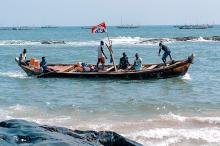
The world's oceans suck up a huge chunk of human-caused emissions, but their role in mitigation strategies and targets is largely absent from critical negotiations underway at the UN climate conference in Glasgow, Canadian scientist Anya Waite says.
A massive carbon sink, the oceans are doing much of the “heavy lifting,” sopping up as much as 40 per cent of our fossil fuel emissions over the past 200 years, said Waite, CEO of the Ocean Frontier Institute (OFI) at Dalhousie University in Nova Scotia.
Climate activists are attacking the atmospheric scientist for simply stating a fact that makes the fight more urgent.
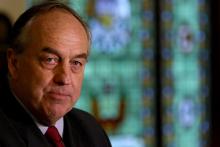
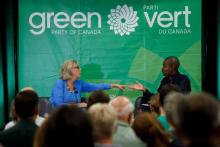
On the eve of the COP26 talks in Glasgow, the former leader of the BC Green Party — Andrew Weaver — caused a climate-community tempest when he tweeted, “1.5 degrees is not attainable. It never has been imho.”
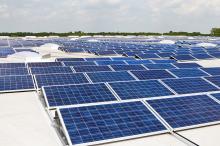
The world’s best solar power schemes now offer the “cheapest…electricity in history” with the technology cheaper than coal and gas in most major countries.
That is according to the International Energy Agency’s World Energy Outlook 2020. The 464-page outlook, published today by the IEA, also outlines the “extraordinarily turbulent” impact of coronavirus and the “highly uncertain” future of global energy use over the next two decades.
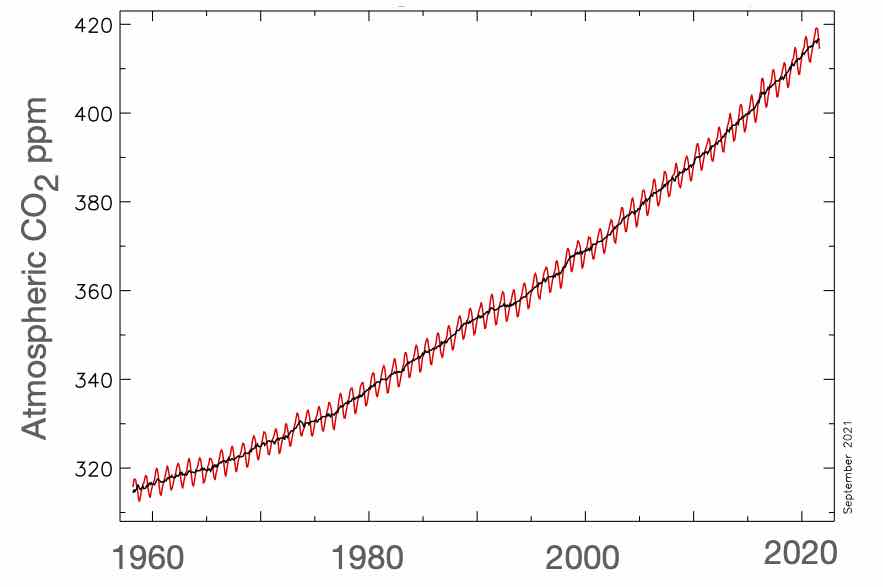
Measured atmospheric CO2 at Mauna Loa Observatory. Note: red = the monthly mean values; black = the same, after correction for the average seasonal cycle.
More details from IPCC and other sources on how REALLY URGENT it is to cut emissions NOW!!!
Oct. 12, 2021
FacingFuture.TV recently hosted a preview of the upcoming IPCC 2021 UN climate report, which report guides the gathering of dignitaries from around the world meeting in Glasgow this November to discuss, analyze, and decide how to deal with global warming/climate change.
I've taught students about the climate crisis for years. But they aren't the ones who need to act now
This First Person article is the experience of Heather Short, a scientist and educator who lives in the greater Montreal region. For more information about CBC's First Person stories, please see the FAQ.