Call from the First Assembly of Assemblies of the Yellow Vests
We, the Yellow Vests of the roundabouts, of the parking lots, of the squares, of the assemblies, rallies and demonstrations, have gathered on January 26 and 27, 2019, as an "Assembly of Assemblies," bringing together a hundred delegations, in response to a call by the Yellow Vests of Commercy.
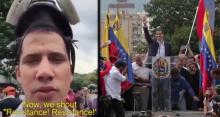
Juan Guaidó is the product of a decade-long project overseen by Washington’s elite regime change trainers. While posing as a champion of democracy, he has spent years at the forefront of a violent campaign of destabilization.
Jan 23, 2019 - On January 23, Juan Guaidó, Venezuelan opposition leader and president of their national assembly, declared himself to be the interim national president of Venezuela.
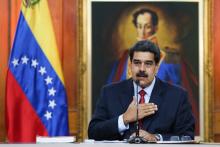
The Canadian government was one of the first governments in the world to declare support for Juan Guaidó. In doing so, they have chosen to side with a self-declared leader over President Nicolás Maduro, who was duly elected by the people of Venezuela. They have also chosen to side with Donald Trump and US foreign policy.
Greater Manchester tells firms they are not welcome as discontent spreads
Ministers are facing a fresh confrontation with local councils over their controversial plans to expand fracking, after one of the biggest combined authorities in the country set out plans to ban the practice.
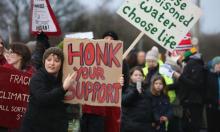
Greater Manchester’s decision to effectively stop companies from extracting underground shale gas in the region was greeted as a critical moment in the fight against fracking, which critics say is dangerous and unproven.
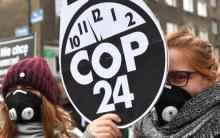
Thinking in siloes about the climate and about our planet’s people puts us at risk of increasing climate disruption and massive loss of life. This year the climate meeting, COP24, is in Katowice, Poland, from December 3 to December 14.