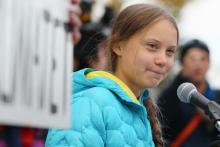
The chief of a northern Alberta First Nation says he gave climate activist Greta Thunberg a message during a quietly arranged meeting in Fort McMurray on Friday night.
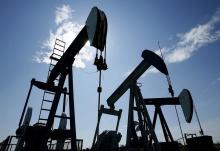
Athabasca Chipewyan First Nation Chief Allan Adam says he told the 16-year-old Swede that Europeans are major investors in the area's oilsands, and she needs to get people to lobby those investors for greener technology to extract Alberta energy.
Dan Edwards watched Fort McMurray, Alberta, turn into the insolvency capital of Canada from a brown brick warehouse on King Street, home to the Wood Buffalo Food Bank.
VANCOUVER – The Federal Court of Appeal has granted a temporary injunction to Alberta’s so-called turn-off-the-taps-legislation.
The Government of British Columbia won a temporary injunction in the fight against the bill. B.C.’s Attorney General David Eby addressed the decision shortly after it was made.
VANCOUVER—Barbara Gard calls her three-hectare property, nestled below the forested peak of Sumas Mountain, a “miniature Stanley Park.” Its lush trees and flowing creek reminded her of Vancouver’s majestic park, and she immediately knew she wanted to call it home.
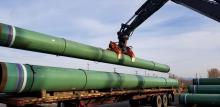
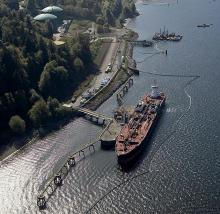
[I keep asking politicians, when I'm in the same inside or outside space with them, "If the Trans Mountain Expansion is so amazingly good for us, why do you have to lie about it? About Asian markets, about price-per-barrel, about number of jobs, about tax revenues?" - Gene McGuckin]