Canadian climate movement tells Carney what we’re for & what we’re against; and news on another emergency – the poison drug crisis
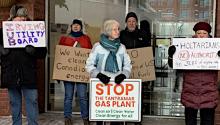
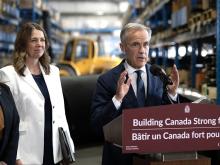
Prime Minister Carney has said, “Don’t tell me what you are against; tell me what you are for.” Well, with respect to the first part – tough! Telling the truth about the climate emergency requires saying “No” to new fossil fuel infrastructure. But with respect to the second request – done!
After pressing the province for five years, we’re still coming up short.
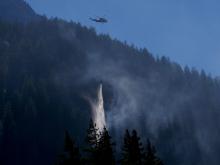
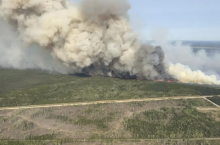
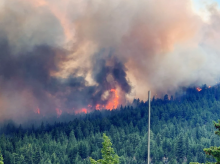
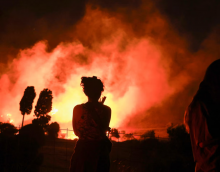
As we bid goodbye to summer and welcome fall, many of us breathe a sigh of relief that another “wildfire season” is winding down. Our skies are clear of smoke again. The days may be shortening, but our hearts feel lighter.
Last week’s Canada’s Changing Climate Report is a call for faster action to reduce greenhouse gas emissions and shift the economy to clean electricity, analysts say, after the government reported that average warming will reach 3.5° to 5°C by 2100 across Canada and more than 10°C in the Arctic.
West Coast Pipeline Won’t Recoup Its $43.7B Cost as Global Oil Demand Weakens
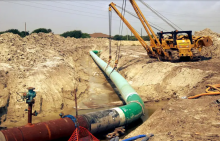
There’s no likely need for Alberta’s proposed West Coast Pipeline, as the rise of electric vehicles and a faster global energy transition drive down future oil demand and prices at a faster rate than industry and governments may have expected, the Institute for Energy Economics and Financial Analysis (IEEFA) concludes in an analysis released this morning.
“To be honest, there aren’t really good data on the cost of climate change,” co-author Andy Hira said, something he attributed to “willful ignorance” among policy-makers reluctant to link fossil fuel production to the costs it helps create.
Mark Carney wants to make Canada more like Norway. He has some work to do
It’s back. As dangerous wildfire smoke blanketed much of the northeast part of our continent, the conversation about our new climate change-driven normal returned with a depressingly predictable vengeance. So too did the loopy comments from Republican politicians in the United States, reflecting a fundamental misunderstanding of both climate science and geographic realities.