
There are many hard lessons learned from the pandemic. One is that our food system needs a serious reboot. Luckily, we need only look to nature’s cycles for clues on how to fix it.
In a circular food economy, food waste becomes valuable, affordable healthy food becomes accessible to everyone and innovation uses a regenerative approach to how food is produced, distributed and consumed.
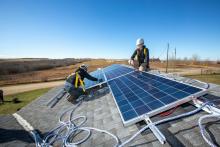
As the shift off carbon accelerates, clean energy companies are scrambling to find the people power they need to keep the lights on.
“The renewables jobs market is heating up and candidates with the right abilities are becoming harder to find,” writes Bloomberg Green, citing comment by Miguel Stilwell, CEO of Portuguese clean energy firm EDP Renováveis. His company will be looking to hire 1,300 more workers by 2023.
Australia’s fossil-heavy state of Queensland is committing A$2 billion to create what Premier Annastacia Palaszczuk called a “self-reinforcing cycle of investment—a job-generating clean energy industrial ecosystem”.
Each month, the UN’s Food and Agriculture Organization (FAO) releases a monthly food price index. The release on 3 June showed that food prices have surged by 40%, the largest rise since 2011. The impact of this food price rise will grievously hit developing countries, most of whom are major importers of food staples.
Ontario’s Financial Accountability Office (FAO) reports that the nominal healthcare funding increases planned by the Doug Ford PC government between 2019-20 to 2029-30 fall well short of the nominal increases over the previous nine years (2010-11 to 2019-20, the period of public sector austerity that followed the last recession).
The European Union has approved a €17.5-billion Just Transition Fund (JTF) to support communities most affected by the shift off fossil fuels, while Canadians wait for word on federal just transition legislation that Prime Minister Justin Trudeau promised two years ago, but has not said very much about since.