British Columbia’s modest climate gains are at risk after a wave of policy clawbacks this past year.
According to the province’s recent accountability report — which reflects BC’s climate data on a two-year lag — carbon pollution declined by four per cent in 2023, meaning emissions are now 9 per cent below the 2007 baseline.
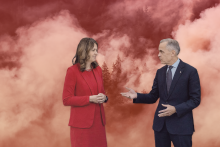
Author and analyst Seth Klein joins Desmond Cole to break down how Carney and Smith have fulfilled Big Oil’s entire wish list
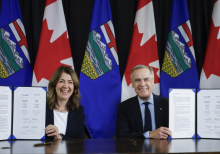
Mark Carney’s deal with Alberta’s Danielle Smith is the climate sell-out of the century.
Author and analyst Seth Klein joins Desmond Cole to break down everything it contains—from pipelines, to AI data centres, to dirty electricity, to a rollback of almost every Trudeau-era climate policy.
Where Are the Customers? Why the Idea of a Pipeline to Asia Is Built on a Fantasy
Asia is electrifying. It doesn’t need or want Alberta’s ultra heavy sour crude.
MARKHAM HISLOP
DEC 06, 2025
roainamini/Pixabay
This post first appeared on Markham Hislop’s Thoughtful Energy Journalism blog on November 28, 2025. Republished with permission.
This excerpt is adapted from Tara Lohan’s Undammed: Freeing Rivers and Bringing Communities to Life (2025, Island Press). It is licensed under the Creative Commons Attribution-NonCommercial-ShareAlike 4.0 International License (