Mar. 5, 2020
Canadians can expect more disruptive protests if the federal government pushes forward with the Trans Mountain pipeline expansion against the wishes of some of the Indigenous communities it will pass through, says a British Columbia lawyer and Indigenous negotiator.
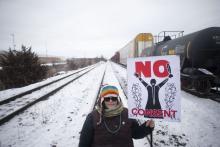
In the last month, Indigenous people across the country set up barricades on train tracks, roads and bridges, in solidarity with Wet’suwet’en Nation hereditary chiefs, some of whom object to the construction of a natural-gas pipeline through their traditional territory.