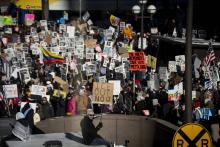
The first week of January, Trump sent 2,000 ICE paramilitary agents into Minneapolis, targeting Somali neighborhoods, along with Hmong and Latine communities, and turning the city into a domestic war zone.
‘They haven’t fought for unions or stood up to the one per cent.’
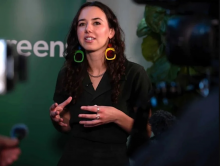
The BC Green Party is ending its formal support for the NDP in the legislature, citing the government’s failure to make enough progress on key issues.
“It’s become clear that the BC NDP is ceding their values to corporate interests,” Green Leader Emily Lowan said in a statement Monday morning. “This government isn’t willing to support workers — they haven’t fought for unions or stood up to the one per cent — we will.”
Justice Catherine Murray said witness Eric Costen appeared to be ‘guessing’ in his responses on the stand.
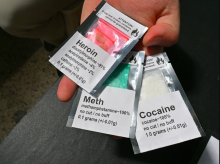
Health Canada’s witness in the Drug User Liberation Front’s judicial review trial frustrated the judge and highlighted how opaque and frustrating Canadian drug policy can be.
I believe the shots that killed Alex Pretti and Renee Good are the shots heard ‘round the world that will topple the Trump regime.
From Minneapolis to Davos, people are joining together against Trump’s tyranny.
In Minnesota, they are joining across ethnicity, race, and class against Trump’s gestapo tactics, repression, and murders. Solidarity is spreading to other cities.
In Europe, they are joining across national boundaries against Trump’s threats to their sovereignty, the European Community, and NATO.
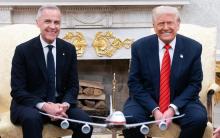
So, Carney gets lots of pats on the back for disagreeing with Trump. But on many issues--including fair treatment of immigrants--he's not entirely different. - Gene McGuckin
January 25, 2026
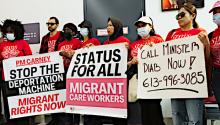
It’s been a month since Prime Minister Mark Carney cancelled the caregiver permanent residency program, at least for 2026. He did it on December 19th – the Friday before Christmas, one day after International Migrants Day.
In the coming days, detractors loyal to the regime and the more quibbling moderates who deplore what the regime is doing but equally deplore doing anything to stop it, will try to tell us that the general strike today accomplished nothing- that business is already returning to normal and a one day general strike in one metro won't change anything in the long run.