Climate policies commit us to a calamitous 2.9C of global heating, but catastrophic changes can occur at even 1.5C or 2C
If there’s one thing we know about climate breakdown, it’s that it will not be linear, smooth or gradual. Just as one continental plate might push beneath another in sudden fits and starts, causing periodic earthquakes and tsunamis, our atmospheric systems will absorb the stress for a while, then suddenly shift. Yet, everywhere, the programmes designed to avert it are linear, smooth and gradual.
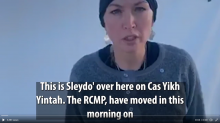
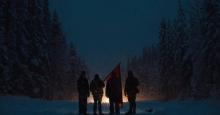
Tree sitters aiming to block the Trans Mountain pipeline route in a Burnaby forest say they are “under siege” after contractors erected blue fencing around their protest site on Tuesday.
*This story has been updated with a response from Trans Mountain and events that took place on Wednesday morning.
Tree sitters aiming to block the Trans Mountain pipeline route in a Burnaby forest say they are “under siege” after contractors erected blue fencing around their protest site on Tuesday.
On August 29, 2005, Hurricane Katrina made landfall off the coast of Louisiana, triggering a slow-moving disaster as floodwaters breached the levees around New Orleans. Nearly 2,000 people were killed over several weeks, hundreds of thousands of homes were destroyed, and the city was left in ruins. Environmental scientists warned that Katrina was a taste of what was in store for the Gulf Coast region if climate change continued unchecked.
If federal parties are serious about taking on climate change, they need to stop giving money to the oil and gas industry, according to two climate experts.