The Living Planet Index tracks thousands of vertebrate species globally and found the worst declines were in Latin America and the Caribbean.
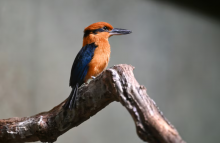
Earth’s wildlife populations have fallen on average by a “catastrophic” rate of 73 percent in the past half-century, according to a new analysis the World Wildlife Fund released Wednesday.
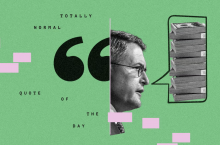
“If others are not going to devote funding to operationalize or weaponize the conservative vision, then the 85 Fund needs to weigh its support much more heavily in that direction.” —Leonard Leo, billionaire conservative activist and founder of the 85 Fund, in a letter to grantees
The China Shock Is Over—and More Tariffs Will Not Help Workers
Kamala Harris and Donald Trump have profoundly different visions for the future of the United States. They wildly diverge when it comes to social issues, such as abortion. They do not agree on whether to raise or cut taxes. And they could take U.S. foreign policy in opposing directions, especially when it comes to the country’s alliance with Europe.
The proportion of Canadian business leaders who say they are worried about climate change jumped dramatically in 2024.
In a newly released report by Deloitte, 85 per cent of the 129 Canadian executives surveyed between May and June of this year said they "worry all or most of the time" about climate change.
That's a sharp increase from the 59 per cent who said they worried all or most of the time in 2023.
Negotiations between Big Tech and an Ohio power utility could set a national precedent as communities grapple with the energy demands of the data center boom.
A regulatory dispute in Ohio may help answer one of the toughest questions hanging over the nation’s power grid: Who will pay for the huge upgrades needed to meet soaring energy demand from the data centers powering the modern internet and artificial intelligence revolution?