
"We owe it to future generations, to the Indigenous communities we've signed treaties with, and to every living being on this planet to stop building fossil fuel infrastructure."
Democratic Rep. Ilhan Omar of Minnesota traveled to the northern part of her state on Saturday to meet with Indigenous leaders and environmental justice advocates who are organizing opposition to Enbridge's Line 3 pipeline project.
Maybe, taking a lesson from what this article reveals about the U.S., we need to increase the rattling of the cage about Canadian provincial and regional rights to decide whether unsafe megaprojects are allowed to proceed or, at least, have more ability to regulate them (to death?). Gene MGuckin
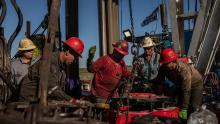
Earlier this week, with national attention focused on accountability for the pro-Trump rioters who stormed the capitol building in Washington, D.C., Ohio quietly became the 13th state since 2017 to legislate harsher penalties for trespassing on or otherwise interfering with energy and industrial infrastructure — a move that activists and civil liberties groups say is a transparent attempt to criminalize nonviolent protest.
While many breathed a collective sigh of relief when Trump’s social media bans were announced, Edward Snowden and other internet freedom advocates warned that the move sets a dangerous precedent.
The storming of the Capitol may just be a harbinger of things to come.
With the normalization of mass shootings in the United States it is more than understandable that members of Congress feared for their lives when they learned protestors had forced their way into the Capitol in unknown numbers and were roaming around at will.