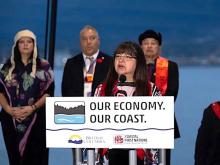
Announcing funding to prepare BC for oil spills is ‘a warning sign all on its own,’ UBCIC women’s rep says.
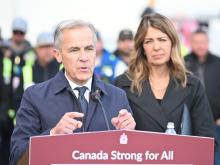
Ending months of speculation, today the Carney government designated the West Coast oil pipeline a project of national interest, sidestepping environmental safeguards that have been in place for decades and charting a course that could irrevocably alter the Salish Sea.
The policy shift, revealed in a government email obtained by The Tyee, takes First Nations by surprise.
British Columbia’s government is contemplating carving the province into three zones to “provide greater clarity” to the timber industry, and discussions have so far left out First Nations.
The zoning plan is outlined in an email sent in early July to public servants in the Ministry of Forests and the Ministry of Water, Land and Resource Stewardship, a copy of which was provided to The Tyee by a source who requested anonymity.
‘Feedback from Thousands’ Prompts Ottawa to Delay Regulatory Rollback
The federal government has responded to “feedback from thousands” by postponing a series of sweeping environmental rollbacks and extending the comment period for the proposed regulatory changes from June 7 to July 22.
Heiltsuk Marilyn Slett won’t relent on the tanker ban. Which leaves Mark Carney only a problematic southern route.
Alberta Premier Danielle Smith has probably never heard her name, but K̓áwáziɫ Marilyn Slett, chief councillor of the Heiltsuk Tribal Council on B.C.’s Central Coast, has emerged as one of the strongest voices opposing any change to Canada’s North Coast tanker ban.
If there’s one immovable obstacle to Smith’s dream of a new northern oil pipeline and terminal, it’s Slett.
Ian Angus introduces his new book Metabolic Rifts: Capitalism’s Assault on the Earth’s System, joined by Helena Sheehan, Inea Lehner, and David McNally. Hosted by Jess Spear and the Global Ecosocialist Network.