Canadian climate movement tells Carney what we’re for & what we’re against; and news on another emergency – the poison drug crisis
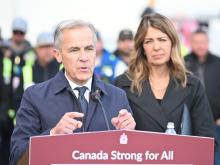
Prime Minister Carney has said, “Don’t tell me what you are against; tell me what you are for.” Well, with respect to the first part – tough! Telling the truth about the climate emergency requires saying “No” to new fossil fuel infrastructure. But with respect to the second request – done!
Announcing funding to prepare BC for oil spills is ‘a warning sign all on its own,’ UBCIC women’s rep says.
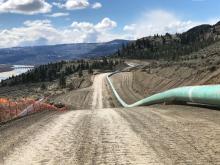
Ending months of speculation, today the Carney government designated the West Coast oil pipeline a project of national interest, sidestepping environmental safeguards that have been in place for decades and charting a course that could irrevocably alter the Salish Sea.
Last week’s Canada’s Changing Climate Report is a call for faster action to reduce greenhouse gas emissions and shift the economy to clean electricity, analysts say, after the government reported that average warming will reach 3.5° to 5°C by 2100 across Canada and more than 10°C in the Arctic.
It has been heartening to witness the degree of national unity as Canadians steel themselves for the current trade war and insist that our governments stand up to Trump. According to many reports, Canada was dangerously close to signing a terrible deal with yet more concessions. But thankfully, at the 11th hour, the US demanded too much and Prime Minister Carney pulled the plug. The federal government has now announced counter-tariffs that will kick in after Labour Day, along with initial supports for affected workers and businesses.
Carney finally shows which side he's on! FIGHT ON FOR THE CHILDREN!!!!
- Gene McGuckin
Jul. 5, 2026
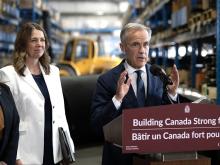
Carney seals the pipeline deal, and his energy minister touts a $43-billion taxpayer bailout as a good investment. Would you buy a used “energy superpower” strategy from these guys?
“Trust is probably the most sought-after commodity now.”
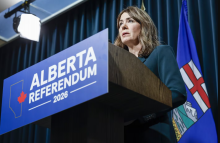
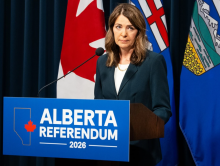
A referendum on an official referendum scheduled for the night of October 19, 2026, could set Alberta on an official legal process of leaving Canada.
Earlier this month, a judge of the Court of King’s Bench of Alberta ruled against an official, non-binding referendum going forward this fall, citing a lack of consultation with the province’s Indigenous people and the Crown.
Can Danielle Smith continue using Alberta separatism as a tool of political management without eventually losing control of the forces she helped unleash? This past week suggests she can’t. Political movements built on grievance rarely remain controllable for long. Since becoming premier in 2022, she has systematically normalized the politics of betrayal, victimhood, and existential crisis. Now she is trying to surf a political tsunami wave of her own making.